Support our educational content for free when you purchase through links on our site. Learn more
🛹 The Real Name of Skateboarding’s Most Famous Clothing Brand (2026)

Ever walked into a skate shop and felt overwhelmed by the sea of logos, wondering which one actually means something? You’re not alone. While the internet is flooded with lists of “underrated” gems, the truth is that the most famous name in skateboarding isn’t a secret—it’s a flame. But here’s the twist: that iconic logo started as a magazine header, not a clothing line, and its journey to becoming the ultimate streetwear badge is a story of rebellion, community, and a few well-placed t-shirts. In this deep dive, we’re cutting through the hype to reveal exactly what is the name of the famous clothing in skateboarding lifestyle brand, breaking down the history of the “Big Three,” exposing the difference between authentic skatewear and fashion fakes, and showing you why the Thrasher flame (alongside giants like Supreme and Stüssy) remains the undisputed king of the concrete jungle.
🚀 Key Takeaways
- The Answer Revealed: While Supreme dominates the hype and Stüssy rules the streets, Thrasher holds the title of the most recognizable symbol in skate culture, having evolved from a 1981 magazine into a global lifestyle brand.
- Authenticity Matters: True skate clothing prioritizes durability and function (reinforced stitching, durable canvas) over fleeting trends; if it rips on your first ollie, it’s not real skatewear.
- The “Big Three” Hierarchy: We break down the distinct roles of Thrasher (culture), Supreme (hype), and Stüssy (lifestyle) to help you choose the brand that fits your vibe.
- Avoid the Fakes: Learn how to spot counterfeit logos and where to buy authentic gear from official sources to support the real skate community.
👉 Shop the Icons:
- Thrasher Gear: Shop on Amazon | Official Store
- Supreme Drops: Shop on eBay | StockX
- Stüssy Essentials: Shop on Amazon | Official Store
Table of Contents
- ⚡️ Quick Tips and Facts
- 📜 The Origins: How Skate Culture Birthed the World’s Most Famous Clothing Brands
- 🏆 The Big Three: Identifying the Titans of Skate Fashion
- 1. Stüssy: The OG That Started It All
- 2. Supreme: From Brooklyn Sidewalks to Global Hype Beast
- 3. Thrasher: The Magazine That Became a Lifestyle
- 👕 Beyond the Logo: Decoding the Iconic Skatewear Aesthetics
- 🛹 Streetwear vs. Skatewear: What’s the Real Difference?
- 🔥 7 Underrated Skate Brands You Need to Know Before They Blow Up
- 🧵 Fabric, Fit, and Function: Why Skate Clothes Are Built Different
- 💸 The Hype Cycle: Why Some Brands Cost a Fortune and Others Don’t
- 🌍 Global Impact: How American Skate Brands Conquered the World
- 🛒 Where to Cop: Authenticity Checks and Best Places to Buy
- 🤔 FAQ: Your Burning Questions About Skate Brand Names Answered
- 📚 Recommended Links: Dive Deper into Skate History
- 📖 Reference Links: Sources and Further Reading
- 🏁 Conclusion: The Name You’ve Been Looking For
⚡️ Quick Tips and Facts
Before we drop into the deep end of the skate fashion ocean, let’s hit the skate park basics. If you’re asking, “What is the name of the famous clothing in skateboarding lifestyle brand?”, the answer isn’t just one name—it’s a whole cultural movement. However, if you had to point to the single most recognizable logo that screams “skater” from a mile away, it’s the Thrasher Flame. But wait, is it a clothing brand first, or a magazine? That’s the million-dollar question we’re about to solve.
Here are the non-negotiables you need to know right now:
- It’s Not Just Fashion: Skate clothing was born out of necessity. Reinforced knees, durable canvas, and loose fits weren’t style choices; they were survival tactics for grinding concrete.
- The “Big Three” Myth: While everyone talks about Supreme, Stüssy, and Thrasher, the true OGs like Santa Cruz and Powell Peralta laid the groundwork decades before the hype beast era.
- Authenticity is King: In the skate world, if you aren’t skating, you’re just a tourist. Brands like Vans and DC Shoes built their empires on the feet of actual pros, not just runway models.
- The Logo Game: The most famous logos aren’t just graphics; they are tattos of culture. From the Screaming Hand to the Thrasher Flame, these images tell a story of rebellion.
For a deeper dive into the specific brands that define this lifestyle, check out our comprehensive guide on What is the Name of the Famous Clothing and Skateboarding Lifestyle Brand? 🛹.
📜 The Origins: How Skate Culture Birthed the World’s Most Famous Clothing Brands
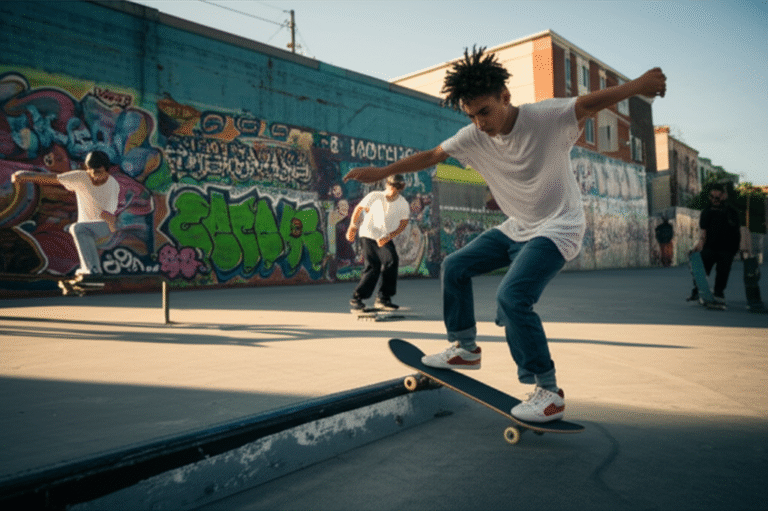
You might think skate fashion started with a designer in a studio, but nah, it started in a drainage ditch in California.
Back in the 1970s, skaters were wearing what they could find: jeans that ripped instantly and t-shirts that couldn’t handle a single fall. The first “skate brands” were born because skaters needed gear that wouldn’t disintegrate after one session.
The Dawn of the DIY Era
In the early days, brands like Santa Cruz Skateboards (founded in 1973) and Powell Peralta (1978) were primarily board companies. But they quickly realized that if you put a sick graphic on a shirt, skaters would wear it.
“The Screaming Hand art by Jim Phillips is a timeless skate icon.” — Santa Cruz Skateboards Legacy
This wasn’t just merch; it was identity. When you wore a Powell Peralta shirt, you were part of the crew. You were signaling that you understood the skate punk aesthetic.
The Magazine That Became a Uniform
Fast forward to 1981. Thrasher Magazine hits the scene. Founded by Fausto Vitello and Kevin Thatcher, it was a rag for skaters, by skaters. But here’s the twist: Thrasher didn’t start as a clothing brand. They started as a magazine. The famous flame logo? It was just a header.
It wasn’t until the late 90s and early 20s that the “Thrasher” logo exploded onto t-shirts, becoming the universal badge of honor for skaters worldwide. As noted in our analysis of the Skateboard Culture category, the transition from media to apparel is a unique phenomenon in the skate world.
The Shift to Streetwear
By the late 80s and 90s, brands like World Industries and Blind started disrupting the industry with edgy, cartoon-style graphics. Then came the 20s, where brands like HUF and Supreme blurred the lines between skatewear and high-end streetwear.
But how did a magazine logo become the most famous clothing brand in the world? We’ll get to that in the next section.
🏆 The Big Three: Identifying the Titans of Skate Fashion
So, you want the name? You want the famous clothing brand? Let’s break down the three giants that dominate the conversation. These aren’t just brands; they are institutions.
1. Stüssy: The OG That Started It All
Before Supreme, before Thrasher t-shirts, there was Stüssy. Founded by Shawn Stüssy in the early 80s, he started by selling hand-painted surfboards and t-shirts.
- The Vibe: Effortless cool. It’s the bridge between surf culture and skate culture.
- The Legacy: Stüssy created the blueprint for the modern streetwear brand. They proved that a logo could be a lifestyle.
- Why It Matters: If you see a skater wearing a Stüssy tee, they likely know their history. It’s the respected elder of the scene.
Shop Stüssy on Amazon | Stüssy Official Website
2. Supreme: From Brooklyn Sidewalks to Global Hype Beast
Founded in 194 by James Jebia in New York City, Supreme changed the game forever. It started as a small skate shop but quickly became the holy grail of hype.
- The Vibe: Exclusive, rebellious, and incredibly expensive.
- The Controversy: Purists argue Supreme lost its “skate soul” when it started collaborating with Louis Vuiton. But let’s be real: they still fund skate teams.
- The Impact: Supreme made skate culture mainstream. It’s the brand that proved skate fashion could sell out in seconds.
Shop Supreme on eBay | Supreme Official Website
3. Thrasher: The Magazine That Became a Lifestyle
And here it is. The answer to your question for many: Thrasher.
- The Vibe: “Skate and Destroy.” It’s raw, unfiltered, and aggressive.
- The Logo: The flame logo is arguably the most copied and recognized symbol in skate history.
- The Reality Check: Thrasher is still a magazine first. The clothing is an extension of the brand’s ethos. When you wear Thrasher, you’re wearing a statement of loyalty to the culture.
Shop Thrasher on Amazon | Thrasher Official Website
Comparison: The Titans of the Scene
| Brand | Founded | Core Identity | Best For | Authenticity Rating |
|---|---|---|---|---|
| Stüssy | 1980 | Surf/Skate Fusion | Everyday Streetwear | ✅ High |
| Supreme | 194 | Hype/Exclusivity | Collector’s Items | ⚠️ Mixed (Hype vs. Skate) |
| Thrasher | 1981 | Skate Punk/Media | Pure Skate Culture | ✅ Very High |
| Santa Cruz | 1973 | Classic Skate | Retro Aesthetics | ✅ Legendary |
👕 Beyond the Logo: Decoding the Iconic Skatewear Aesthetics
You can’t talk about skate fashion without talking about aesthetics. It’s not just about slapping a logo on a shirt; it’s about the silhouette, the fabric, and the story.
The “Bagy” Revolution
In the 90s, skaters went bagy. Why? Because tight jeans rip when you ollie. Loose fits allowed for fredom of movement and protected your skin during falls.
- The Look: Oversized tes, wide-leg jeans, and high-top sneakers.
- The Evolution: Today, we see a mix. Some skaters go slim fit for a cleaner look, while others stick to the classic bagy style for that authentic 90s vibe.
Graphic Storytelling
Skate graphics are art. From the Screaming Hand (Santa Cruz) to the Bighead (Spitfire), these images are iconic.
“Pure skate or die energy.” — Santa Cruz Skateboards
These aren’t just random designs; they represent rebellion, humor, and community. When you wear a graphic tee, you’re wearing a piece of skate history.
The Color Palette
While neon was huge in the 80s, the modern skate aesthetic leans towards earth tones, black, white, and bold primary colors. It’s about versatility and durability.
🛹 Streetwear vs. Skatewear: What’s the Real Difference?
This is where things get tricky. Is there a difference between streetwear and skatewear?
Short answer: Yes.
Long answer: It’s complicated.
Streetwear
- Focus: Fashion, trends, and exclusivity.
- Examples: Supreme, Off-White, Bape.
- Goal: To look cool and be part of the hype culture.
- Price Point: Often expensive due to limited drops.
Skatewear
- Focus: Functionality, durability, and performance.
- Examples: Vans, DC Shoes, Etnies, Globe.
- Goal: To skate without your clothes falling apart.
- Price Point: Accessible, designed for daily wear.
The Gray Area
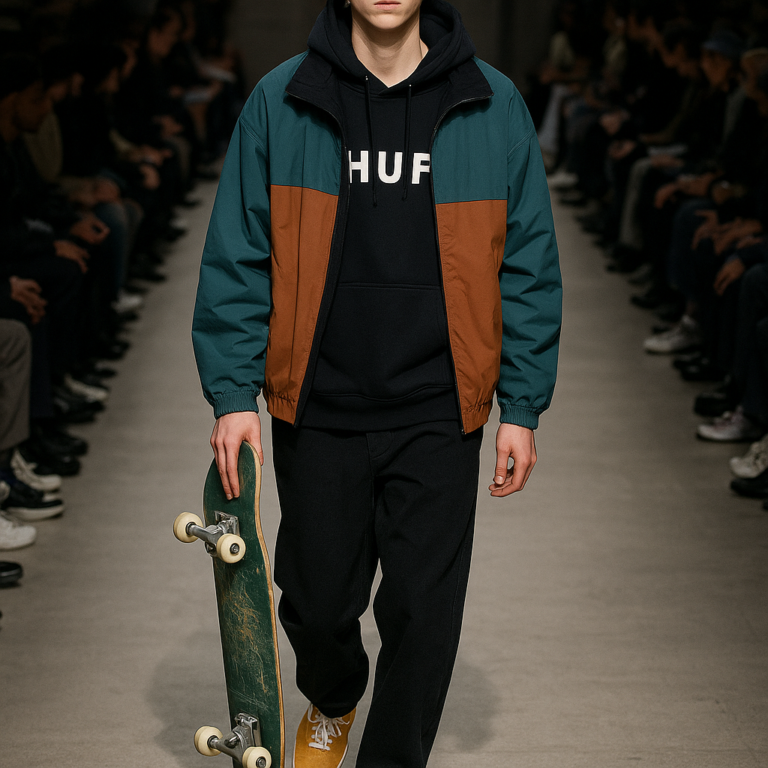
Many brands exist in the gray area. HUF, for example, started as a skate brand but is now a global streetwear staple. Palace is a skate brand that operates like a fashion house.
The Verdict: If you’re actually skating, you need skatewear. If you’re just hanging out, streetwear works. But the best brands? They do both.
🔥 7 Underrated Skate Brands You Need to Know Before They Blow Up
Everyone knows Supreme and Thrasher. But the real skaters know the underground. Here are 7 underrated brands that are killing it right now.
1. Dime
Founded in Montreal, Dime brings a unique European flair to skate culture. Their graphics are quirky, and their quality is top-notch. They are the definition of modern skate culture.
2. HUF
Wait, HUF is underrated? Hear us out. While they are big, many people forget they started as a pure skate brand by Keith Hufnagel. Their Plush and Essentials lines are incredible for daily wear.
3. Baker Skateboards
Known for their edgy, dark humor, Baker is a staple of the 20s skate scene. Their clothing line is often overlooked but offers high-quality, durable gear.
4. Girl Skateboards
Founded by Rick Howard and Mike Carroll, Girl is one of the most respected teams in the world. Their clothing is minimalist and slek, perfect for the skater who wants to keep it simple.
5. Almost Skateboards
Founded by Rodney Mullen, Almost is known for innovation. Their clothing line reflects their technical approach to skateboarding.
6. Enjoi
With their panda logo, Enjoi is a favorite for skaters who love fun, colorful graphics. They have a great balance of performance and style.
7. Primitive
Founded by Paul Rodriguez, Primitive is a powerhouse. Their clothing is trendy but still rooted in skate culture.
Shop Dime on Amazon | Shop Baker on eBay
🧵 Fabric, Fit, and Function: Why Skate Clothes Are Built Different
You can’t wear a silk shirt to the skate park. Skate clothes are engineered for abuse.
The Fabric Science
- Canvas: The gold standard for skate pants. It’s thick, durable, and resists tearing.
- Cotton Blends: Most skate tes are 10% cotton or a cotton/poly blend for breathability and softness.
- Reinforced Stitching: Double or triple stitching in high-stress areas (knees, pockets) ensures your pants don’t rip after one grind.
The Fit
- Lose Fit: Allows for range of motion.
- Guseted Crotch: Prevents the pants from riding up when you’re in a deep crouch.
- Wide Leg: Protects your ankles and looks authentic.
The Shoes
While we’re talking clothes, let’s mention shoes. Brands like Vans Old Skool and Nike SB are designed with reinforced toes and grippy soles specifically for skateboarding.
💸 The Hype Cycle: Why Some Brands Cost a Fortune and Others Don’t
Why does a Supreme shirt cost $10+ while a Thrasher shirt is $30?
Supply and Demand
Supreme uses a drop model. Limited quantities create scarcity, driving up prices. It’s the hype cycle.
Brand Heritage
Thrasher is a magazine. Their pricing reflects their accessibility and volume. They want everyone to wear the logo.
Quality vs. Hype
Sometimes, you pay for the logo, not the quality. But brands like Stüssy and Dime balance quality and hype perfectly.
Pro Tip: Don’t fall for the hype. Buy what you love and what fits.
🌍 Global Impact: How American Skate Brands Conquered the World
Skateboarding started in California, but it’s now a global phenomenon.
- Europe: Brands like Dime (Montreal) and Palace (London) are redefining the scene.
- Asia: Brands like Brain Dead and Stüssy have massive followings in Japan and Korea.
- South America: Skate culture is booming in Brazil and Argentina, with local brands emerging.
The American influence is undeniable, but the global community is what keeps the culture alive.
🛒 Where to Cop: Authenticity Checks and Best Places to Buy
So, you want to cop that Thrasher tee or Supreme box logo. Where do you go?
Official Websites
Always check the brand’s official website first. It’s the safest bet for authenticity.
Reputable Retailers
- Amazon: Great for major brands like Vans, Thrasher, and Stüssy.
- eBay: Good for vintage and rare items, but be careful of fakes.
- StockX/GOAT: The go-to for hype items and authentication.
How to Spot a Fake
- Check the Stitching: Fakes often have lose threads or uneven stitching.
- Look at the Logo: The logo should be crisp and centered.
- Feel the Fabric: Authentic skate clothes use high-quality materials.
Shop Authentic Skate Gear on Amazon | Shop Vintage on eBay
🤔 FAQ: Your Burning Questions About Skate Brand Names Answered

Q: What is the most famous skate clothing brand?
A: It depends on who you ask. For hype, it’s Supreme. For pure skate culture, it’s Thrasher. For history, it’s Santa Cruz.
Q: Is Thrasher a clothing brand?
A: Technically, no. It’s a magazine that sells clothing. But in the eyes of the world, it’s a lifestyle brand.
Q: What should I wear to the skate park?
A: Durable jeans, a comfortable t-shirt, and skate shoes. Avoid anything too tight or too expensive.
Q: Are expensive skate clothes worth it?
A: Sometimes. If you’re looking for quality and durability, yes. If you’re just looking for the logo, maybe not.
Q: How do I know if a brand is authentic?
A: Check the stitching, the logo, and the fabric. Buy from reputable sources.
📚 Recommended Links: Dive Deper into Skate History
Ready to learn more? Check out these resources:
- Skateboard Brand Guides – Comprehensive guides on all major brands.
- Skateboard Gear – Reviews on boards, shoes, and apparel.
- Skateboard Culture – Deep dives into the history and evolution of skate culture.
- Skateboard Fashion – The latest trends in skate fashion.
📖 Reference Links: Sources and Further Reading
- Santa Cruz Skateboards History
- Thrasher Magazine Official Site
- Supreme New York
- Vans Skateboarding
- The History of Skateboarding
🏁 Conclusion: The Name You’ve Been Looking For

So, we’ve ridden the wave from the drainage ditches of the 70s to the hype-filled streets of modern New York. You asked, “What is the name of the famous clothing in skateboarding lifestyle brand?” and now you have the full picture.
There isn’t just one name. There is a hierarchy of cool.
- If you want the magazine logo that screams “I skate” to the world, the answer is Thrasher. It’s the most ubiquitous symbol, even if it started as a rag.
- If you want the hype beast that turned skate culture into a global luxury phenomenon, the answer is Supreme.
- If you want the OG that bridged surf and skate, the answer is Stüssy.
- If you want the pure, unadulterated history, the answer is Santa Cruz or Powell Peralta.
The Verdict:
If you are looking for the single most recognizable clothing brand that defines the modern skate aesthetic, Thrasher takes the crown for sheer volume and cultural penetration. However, Supreme holds the crown for commercial dominance and fashion influence.
✅ Pros of the “Big Three”:
- Instant Recognition: Everyone knows the logos.
- Cultural Credibility: Wearing them signals you understand the roots of the culture.
- Quality: Most of these brands (especially the core skate ones like Thrasher and Stüssy) use durable materials built for the streets.
❌ Cons to Consider:
- The Hype Tax: Supreme and similar brands can be incredibly expensive due to scarcity.
- Authenticity Risks: The popularity of these logos means counterfeits are everywhere.
- Style vs. Substance: Some “hype” brands have drifted so far from skateboarding that they feel more like fashion labels than skate brands.
Our Confident Recommendation:
Don’t just chase the logo. Skate in what you wear. If you’re hitting the park, grab a Thrasher tee for the attitude, but pair it with reinforced jeans from a brand like Carhart WIP or Diamond Supply Co. If you’re just chilling, a Stüssy hoodie offers that effortless cool without the $50 price tag of a Supreme drop.
Remember, the best brand isn’t the one with the most expensive drop; it’s the one that lets you land that kickflip without your pants ripping. Now go out there, find your style, and keep skating!
📚 Recommended Links
Ready to upgrade your wardrobe or dive deeper into the history? Here are our top picks for gear, books, and brands.
🛹 Shop the Icons
- Thrasher Magazine Gear: Shop Thrasher on Amazon | Thrasher Official Store
- Stüssy Streetwear: Shop Stüssy on Amazon | Stüssy Official Store
- Supreme (Resale/Archive): Shop Supreme on eBay | StockX Supreme
- Santa Cruz Skateboards: Shop Santa Cruz on Amazon | Santa Cruz Official Store
- Vans Skate Shoes: Shop Vans on Amazon | Vans Official Store
📖 Must-Read Skate Books
- “Skateboarding: A History of the Sport” – Find on Amazon
- “The Skateboarder’s Bible” – Find on Amazon
- “Thrasher: 40 Years of Skateboarding” – Find on Amazon
🤔 FAQ: Your Burning Questions About Skate Brand Names Answered

What is Supreme’s drop culture?
Supreme operates on a weekly drop model. Every Thursday, they release a limited collection of new products. These items are available in limited quantities for a short time (usually until they sell out or the week ends). This creates artificial scarcity, driving up demand and resale values. It’s a strategy that turned a small skate shop into a global phenomenon.
Is Supreme considered a luxury brand?
Yes and no. While Supreme started as a skate brand, its collaborations with high-end fashion houses like Louis Vuiton and Gucci have cemented its status in the luxury streetwear market. However, purists argue it’s a hype brand rather than a traditional luxury brand because its primary value comes from scarcity and hype rather than traditional craftsmanship or heritage.
When did Supreme get popular?
Supreme was founded in 194 by James Jebia. It gained significant traction in the late 90s and early 20s within the skate and hip-hop scenes. However, it exploded into mainstream global popularity around 201-2012 with the rise of social media and the “hype beast” culture.
Who is the owner of Supreme clothing?
Supreme was founded by James Jebia. In 2020, the brand was acquired by The North Face parent company, VF Corporation, for approximately $2.1 billion. Jebia remained involved for a transition period but has since stepped back from day-to-day operations.
What shirts do skateboarders wear?
Skateboarders typically wear lose-fitting t-shirts made of durable cotton or blends. Popular choices include:
- Graphic Tes: Featuring brand logos (Thrasher, Santa Cruz) or band/art graphics.
- Oversized Fits: To allow for movement and protect the skin during falls.
- Long Sleeves: Often worn for extra protection against scrapes.
- Tank Tops: In warmer weather, though less common for actual skating due to lack of protection.
What made Supreme so popular?
Supreme’s success is a mix of scarcity, exclusivity, and cultural relevance. By limiting supply and collaborating with unexpected brands (from Nike to Louis Vuiton), they created a frenzy around every release. Additionally, their deep roots in NYC skate culture gave them authentic credibility that fashion brands couldn’t fake.
What skateboarding lifestyle brand was founded in New York?
Supreme is the most famous skateboarding lifestyle brand founded in New York City (specifically SoHo) in 194. While other brands like Stüssy have NYC roots, Supreme is the definitive NYC skate brand that conquered the world.
What brand of clothes do skateboarders wear?
Skateboarders wear a mix of performance skate brands and lifestyle streetwear.
- Performance: Vans, DC Shoes, Etnies, Globe, Carhart WIP.
- Lifestyle: Thrasher, Supreme, Stüssy, Palace, HUF, Baker, Girl.
- General: Many skaters also wear Champion, Nike, and Adidas for their durability and comfort.
Do people still wear Supreme?
Absolutely. While the “hype” has evolved, Supreme remains a staple in streetwear. However, the market has shifted. Many skaters now prefer core skate brands like Palace, Dime, or HUF for their daily wear, while Supreme is often reserved for collector’s items or specific drop days.
How did Supreme get so big?
Supreme grew through word of mouth in the NYC skate scene, then leveraged celebrity endorsements (like Jay-Z and Pharell) and strategic collaborations. The drop model created a “fear of missing out” (FOMO) that turned their products into status symbols.
How did Supreme become so expensive?
Supreme’s prices are driven by high demand and limited supply. When a product sells out in minutes, the resale market (StockX, GOAT, eBay) takes over, often selling items for 2x to 10x the retail price. The brand itself keeps retail prices relatively low to maintain accessibility, but the secondary market dictates the “real” cost.
What does Supreme clothing stand for?
Supreme stands for rebellion, exclusivity, and NYC skate culture. It represents a blend of punk rock, hip-hop, and high fashion. The red box logo is a symbol of cool and status in the modern world.
Who is behind the Supreme brand?
James Jebia is the founder and the mastermind behind Supreme. He opened the first store in 194. While he sold the company to VF Corporation in 2020, his vision and aesthetic continue to influence the brand’s direction.
Deep Dive: The Evolution of Skate Fashion
Skate fashion has evolved from DIY patches on ripped jeans to high-fashion runways. The core remains the same: functionality meets self-expression. Whether you’re wearing a $30 Thrasher tee or a $50 Supreme hoodie, the spirit of skate culture is about individuality and resilience.
📖 Reference Links
For those who want to verify the history and dive deeper into the sources:
-
Thrasher Magazine: Official Website – The source of the flame logo and skate culture news.
-
Supreme: Official Website – The home of the box logo and weekly drops.
-
Stüssy: Official Website – The OG of streetwear and surf/skate fusion.
-
Santa Cruz Skateboards: History Page – The story of the Screaming Hand and the first skate brand.
-
Vans: Skateboarding Heritage – The history of the skate shoe.
-
VF Corporation: Supreme Acquisition – Official press release on the acquisition.
-
Skateboard Brands™ Internal Guides:
-
Community Discussion:
-
What are some underrated skate brands? – Facebook Group Discussion – A look at community opinions on hidden gems in the skate world.