Support our educational content for free when you purchase through links on our site. Learn more
From Ramps to Runways: Skateboarding’s Fashion Impact 🛹


Skateboarding has profoundly influenced fashion by injecting a raw, authentic, comfort-first, and rebellious aesthetic into mainstream style, becoming a
primary driver of streetwear and even inspiring high fashion runways. It’s more than just a sport; it’s a lifestyle that has consistently challenged and redefined sartorial norms for decades. We’ve seen firsthand how the practical needs of shred
ding concrete transformed into global trends.
Think back to the early days, when a pair of beat-up Vans and baggy jeans weren’t just clothes, but a uniform of defiance. One of our founders, back in the late ‘
80s, remembers being told his “skater look” was too scruffy for a school dance, only to see similar styles gracing magazine covers just a few years later. This rapid shift highlights exactly how has skateboarding influenced fashion,
moving from the fringes to the forefront with an undeniable cool factor.
This enduring appeal stems from skateboarding’s core values: individuality, creativity, and a healthy disregard for convention. Every scuff on a shoe, every faded graphic tee, tells a
story of dedication and daring. It’s this genuine, lived-in authenticity that fashion, from the streets to the catwalks, has repeatedly tried to capture and emulate.
Key Takeaways
- Functionality First: Skate fashion priorit
izes comfort, durability, and freedom of movement, leading to iconic baggy silhouettes and specialized footwear. - Rebellion & Authenticity: Born from counter-culture, skate style embodies a spirit of non-conformity and
genuine self-expression, appealing far beyond the skate community. - Streetwear’s Foundation: Skateboarding is a primary catalyst for modern streetwear, influencing everything from graphic tees to sneaker culture.
- Global Influence: Iconic
brands like Vans, Thrasher, and Supreme have transcended their origins, becoming global fashion powerhouses and even collaborating with luxury labels. - Wearable Art: Graphic tees and deck designs serve as can
vases for artistic expression, making skate apparel a form of wearable art that tells stories and builds brand loyalty.
Table of Contents
-
🛹 The Roots of Skater Style: A Brief History of Skateboarding’s Fashion Evolution
-
Why Skateboarding and Fashion Are Inseparable: More Than Just Clothes
-
The Iconic Elements of Skater Fashion: From Function to Trendsetter
-
👖 Baggy Silhouettes and Comfort-First Apparel: The Skater’s Uniform
-
👟 Sneaker Culture’s Unsung Heroes: Skate Shoes and Their Impact
-
Beyond the Board: How Skate Fashion Leapt into Mainstream Culture
-
Streetwear’s Debt to Skate Culture: A Symbiotic Relationship
-
The Rise of Skater-Owned Brands: Authenticity and Innovation
-
Key Brands That Defined and Continue to Shape Skater Fashion
-
7. Independent Truck Co. & Santa Cruz Skateboards: Hardware as High Fashion
-
The Genderless Appeal of Skater Style: Breaking Fashion Norms
-
Subcultures Within Skater Fashion: From OG to Modern Aesthetics
-
DIY and Customization: Personal Expression on and off the Board
-
The Future of Skater Style: What’s Next for Boards and Brands?
-
Conclusion: The Enduring Legacy of Skateboarding’s Style Revolution
Table of Contents
-
🛹 The Roots of Skater Style: A Brief History of Skateboarding’s Fashion Evolution
-
Why Skateboarding and Fashion Are Inseparable: More Than Just Clothes
-
The Iconic Elements of Skater Fashion: From Function to Trendsetter
-
👖 Baggy Silhouettes and Comfort-First Apparel: The Skater’s Uniform
-
👟 Sneaker Culture’s Unsung Heroes: Skate Shoes and Their Impact
-
Beyond the Board: How Skate Fashion Leapt into Mainstream Culture
-
Streetwear’s Debt to Skate Culture: A Symbiotic Relationship
-
The Rise of Skater-Owned Brands: Authenticity and Innovation
-
Key Brands That Defined and Continue to Shape Skater Fashion
-
7. Independent Truck Co. & Santa Cruz Skateboards: Hardware as High Fashion
-
The Genderless Appeal of Skater Style: Breaking Fashion Norms
-
Subcultures Within Skater Fashion: From OG to Modern Aesthetics
-
DIY and Customization: Personal Expression on and off the Board
⚡️ Quick Tips and Facts
Alright, let’s kick things off with some rapid-fire insights into how skateboarding has carved out its undeniable niche in the fashion world! As your expert team at Skateboard Brands™, we’ve seen it all, from the earliest days of sidewalk
surfing to the latest runway collaborations.
- Birth of a Style: Skateboarding first emerged in the 1950s as “sidewalk surfing” in California, a way for surfers to catch a wave when the ocean
was flat. This laid-back, rebellious spirit immediately translated into a distinctive style. - Wheel Revolution: The introduction of urethane wheels in the 1970s was a game-changer
, transforming skateboarding into a more dynamic and competitive sport, which in turn, demanded more functional and durable apparel [cite: video]. - Function First, Fashion Always: At its core, skate fashion prioritizes comfort, durability, and freedom
of movement. These practical needs inadvertently created an aesthetic that champions individual expression. - Iconic Elements: Think baggy silhouettes, graphic tees, hoodies, and specialized sneakers. These aren’t just clothes
; they’re a uniform, a statement, and a canvas for personal identity. - Pioneering Footwear: Brands like Vans and Converse were among the first to develop shoes
specifically for skateboarding, featuring grippy soles and robust materials that quickly became iconic far beyond the skate park [cite: 2, video]. - Streetwear’s Foundation: Skate culture is widely recognized as a primary catalyst
for the rise of modern streetwear, challenging traditional fashion norms with its bold graphics and relaxed fits. - High Fashion’s Nod: From Supreme x Louis Vuitton to designers like Virgil Abloh incorporating
skate aesthetics, high fashion has increasingly embraced and elevated skate style, blurring the lines between street and luxury [cite: video]. - Global Influence: Digital platforms like Instagram and TikTok continue to amplify skate fashion, showcasing diverse styles and making curated
skate gear accessible worldwide. - Beyond the Look: The influence of skateboarding extends beyond just clothing, embodying a deeper aesthetic of rebellion, creativity, freedom, and self-expression.
🛹 The Roots of Skater Style: A Brief History of Skateboarding’s Fashion Evolution
Ever wonder how those effortlessly cool skate looks came to be? We
‘re talking about a journey that started on sun-drenched Californian streets and evolved into a global fashion phenomenon. It’s a story of innovation, rebellion, and pure, unadulterated style.
Back in the 1950
s, when the waves were flat, surfers in California strapped roller skate wheels to wooden planks, giving birth to “sidewalk surfing.” This early incarnation of skateboarding was less about tricks and more about cruising, and the fashion reflected that laid-back, beach
-bum vibe. Think tube socks, high shorts, and simple t-shirts – a direct carryover from surf culture [cite: video]. It was about ease and movement, a precursor to the comfort-first ethos that would
define skate fashion for decades to come.
Fast forward to the 1970s, and things got real. The invention of urethane wheels by Frank Nasworthy in 1972 was a monumental shift. Suddenly
, skateboards had grip, speed, and durability, transforming a casual pastime into a legitimate, competitive sport [cite: video]. This era saw the emergence of legendary crews like the Z-Boys from Venice, California, who didn’t just push
the boundaries of what was possible on a board; they redefined the aesthetic. Their aggressive, rebellious style – think ripped jeans, band t-shirts, and even hockey jerseys – became synonymous with a new, edgy attitude [cite: video]. This was the moment skate fashion started to forge its own distinct identity, moving beyond just surf wear.
It was also in the ’70s that brands began to recognize the unique needs of skaters. Vans, founded in 1
966, started making shoes with sticky waffle soles, perfect for board grip. Converse also entered the scene, with their Chuck Taylors becoming a go-to for many skaters due to their ankle support and simple design [cite: 2, video]. These weren’t just shoes; they were tools, designed for performance but quickly adopted for their undeniable cool factor. As the team at Skateboard Brands™ often says, “You can’t shred if your feet aren
‘t happy, and if you look good doing it, even better!”
The 1980s ushered in what many call the “golden age” of skateboarding. With pros like Tony Hawk and Rodney Mullen gaining notoriety, skate shops popped
up everywhere, becoming more than just retail spaces. They were cultural hubs, places where skaters could connect, share ideas, and, crucially, discover new styles and gear. Brands like Vision Street Wear emerged
, creating apparel specifically for skaters, solidifying the link between practical skate gear and cutting-edge fashion [cite: video]. This period truly cemented skateboarding’s role in shaping what we now call Skateboard Culture.
So, from humble beginnings on the sidewalks, skate fashion has always been about more than just clothes. It’s a visual language, a statement of identity, and a testament to the enduring
spirit of rebellion and creativity. But why exactly did this niche sport become such a powerhouse in the fashion world? Let’s dive deeper.
Why Skateboarding and Fashion
Are Inseparable: More Than Just Clothes
You might think it’s just about looking cool, right? Well, you’re not entirely wrong, but the connection between skateboarding and fashion runs far deeper than surface-level aesthetics. For
us at Skateboard Brands™, it’s an intrinsic, almost symbiotic relationship, where one constantly informs and inspires the other. It’s a dynamic interplay that has birthed some of the most enduring trends in modern style.
Think about it: skateboarding
is inherently a form of self-expression. Every trick, every line, every spot chosen is a personal statement. And what better way to amplify that statement than through what you wear? The clothing isn’t just an afterthought; it’s
an extension of the skater’s identity, their attitude, and their approach to life. As one competing article puts it, skateboarding encourages skaters to develop “distinctive personal styles,” blending “funky aesthetics with individual expression”. We couldn’t agree more!
Here’s why this bond is so unbreakable:
- Functionality Drives Form: Unlike many fashion trends born purely from aesthetics, skate fashion originated from a genuine need for practical
ity and performance. Skaters need clothes that can withstand falls, allow for a full range of motion, and offer some level of protection. This demand for durable materials, relaxed fits, and grippy shoes directly shaped the iconic silhouettes we see
today. It’s a perfect example of how “performance and aesthetics go hand in hand”. - Rebellion and Authenticity: Skateboarding has always been an outsider activity, a counter-culture movement challenging
the status quo. This rebellious spirit naturally translated into a fashion sense that eschewed mainstream norms. It was about being authentic, not conforming. This raw, unpolished authenticity is incredibly appealing and has drawn countless individuals, both skaters and non-sk
aters, to embrace the style. - Community and Identity: When you wear skate brands, you’re not just buying clothes; you’re signaling an affiliation, a connection to a global community. Skate shops, as we mentioned,
became crucial hubs for identity-building. Wearing a Thrasher tee or a pair of Vans isn’t just a fashion choice; it’s a badge of belonging, a nod to a shared culture
and ethos. - Wearable Art and Storytelling: From the intricate deck graphics to the bold designs on t-shirts, skateboarding has always been a canvas for artists and designers. These graphic elements tell stories, represent brands, and communicate
messages, turning apparel into wearable art. This visual storytelling is a powerful draw, making skate fashion incredibly engaging. - Constant Evolution: Skateboarding itself is constantly evolving, with new tricks, styles, and trends emerging. This dynamism
keeps the fashion fresh and innovative. What’s trending in skate parks today often finds its way into broader fashion trends tomorrow. If you’re curious about what’s next, check out our insights on 8 Major Trends in Skateboarding for 2026: Beyond the Look.
So, when you see someone rocking a skate-inspired outfit, remember it’s not
just a fleeting trend. It’s a testament to a rich history where function, rebellion, community, and art converged to create a truly unique and enduring style. It’s a lifestyle, and the clothes are just one vibrant part of the
story.
The Iconic Elements of Skater Fashion: From Function to Trendsetter
Alright, let’s get down to the nitty-gritty:
what exactly makes skate fashion so distinctive? It’s not just a random collection of clothes; it’s a carefully curated (though often seemingly effortless) ensemble born from the demands of the sport and the spirit of the culture. We’
re talking about pieces that started as purely functional gear and transformed into global style staples.
👖 **Baggy Silhouettes and Comfort-First Apparel
: The Skater’s Uniform**
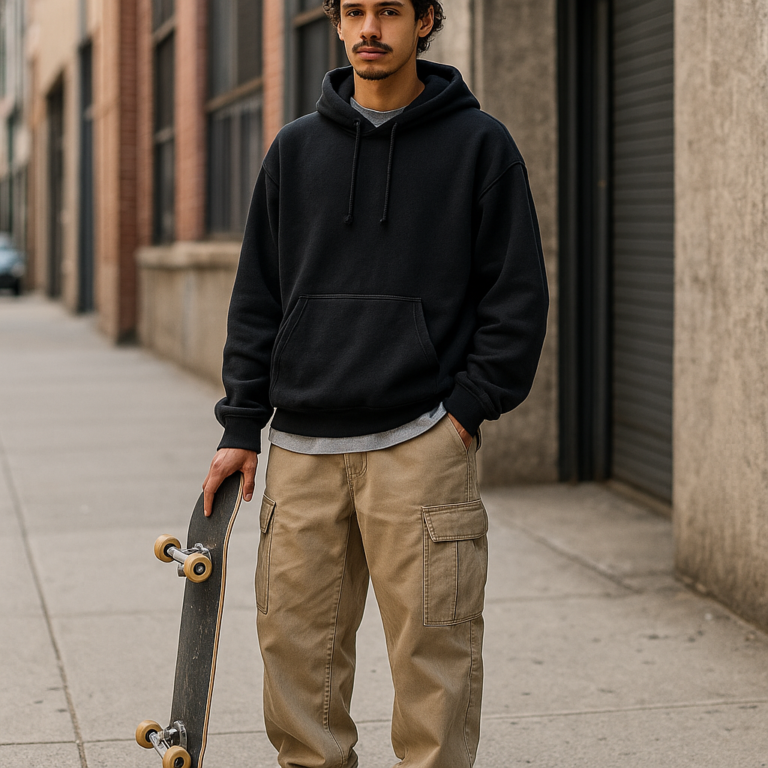
If there’s one defining characteristic of classic skate fashion, it’s the baggy silhouette. We’re talking about pants that give you room to move, shirts that don’t restrict
, and jackets that layer easily. Why the love for the loose fit? Simple: mobility and protection.
Imagine trying to land a kickflip in skinny jeans. ❌ Not happening. Baggy jeans, cargo pants, and relaxed
-fit chinos provide the crucial freedom of movement needed for tricks, bends, and bails. Our team has countless stories of ripping through pants that were too tight, or worse, getting tangled up mid-air. The extra fabric also offers a
thin layer of protection against scrapes and falls, which, let’s be honest, are a daily occurrence for us.
- Pants:
- Baggy Jeans: The undisputed king. Brands like Levi
‘s Skateboarding and Dickies have been staples for decades. They’re durable, comfortable, and get better with every scuff and fade. - Cargo Pants: Practicality meets style. Those extra pockets are perfect
for stashing wax, tools, or your phone. - Work Pants: Think Dickies 874 or Carhartt WIP. Originally designed for manual labor, their ruggedness and relaxed fit made
them perfect for skating. - Shirts & Hoodies:
- Oversized T-shirts: Again, comfort and freedom are key. They’re also a prime canvas for graphic designs, which we’ll
get to in a moment. - Hoodies: Essential for warmth, protection, and that classic laid-back look. A good hoodie from brands like Independent Truck Co. or Thrasher is practically a second
skin for many skaters.
The competing article from Sk8Clothing highlights this perfectly: baggy jeans were “originally valued for comfort and freedom of movement while skating” and “developed into an urban fashion icon,” challenging “mainstream preferences for tight-fitting silhouettes
“. This isn’t just about looking cool; it’s about being able to do cool things.
👟 **Sne
aker Culture’s Unsung Heroes: Skate Shoes and Their Impact**
If pants are the foundation, then skate shoes are the engine. Without the right footwear, you’re just walking on a plank. Skate shoes are where function truly
dictates form, and their influence on broader sneaker culture is immense.
What makes a great skate shoe?
| Feature | Description
Sk
ate shoes are specially designed to provide the comfort, durability, and grip
needed for skateboarding. They’re built to withstand the constant abuse of griptape, concrete, and repeated impacts.
- Grip: The most crucial element. Skate shoes feature specialized outsoles, often
with a waffle pattern (like Vans) or herringbone tread, designed to maximize board feel and grip. This prevents your feet from slipping off the board during tricks. - Durability: Reinforced stitching, suede or canvas
uppers, and vulcanized or cupsole constructions are all about making shoes last. We’ve gone through countless pairs, and trust us, a flimsy shoe won’t survive a week of serious skating. - Board Feel &
Impact Protection: This is a delicate balance. Skaters need to feel the board under their feet for precise control, but also require cushioning to absorb the shock of landings. Brands achieve this with varying sole thicknesses and specialized insoles. - U
rethane Rebound: This is a technical but vital aspect of skate wheels, and by extension, how shoes interact with the board. Urethane rebound describes how quickly the wheel snaps back to its original shape after hitting the ground. Wheels with high rebound offer more control and resist flat spots, and your shoes need to complement this responsiveness.
Brands like Vans, Converse, Etnies, DC Shoes, Nike SB, and
Adidas Skate have been at the forefront of skate shoe innovation, constantly refining designs to meet the evolving demands of skaters. They combine technical support and protection with distinctive designs, making them
widely worn beyond skateboarding.
👉 Shop Skate Shoes on:
- Vans: Amazon | Vans Official Website
- Etnies: Amazon | Etnies Official Website
- DC Shoes: Amazon | DC Shoes Official Website
👕 Graphic Tees and Hoodies: Wearable Art and Brand Loyalty
If skate shoes are the workhorses, then graphic tees and hoodies are the billboards
of skate culture. These aren’t just pieces of fabric; they’re statements, affiliations, and often, works of art.
- Graphic Tees: Simple, expressive, and easily customizable, graphic tees became staples in skate
fashion. They feature everything from bold brand logos (think Thrasher Magazine’s iconic flame logo 🔥) to quirky artwork, political statements, and pop culture references. They communicate individuality and affiliation with skate culture. For us, a graphic tee is a quick way to tell the world what you’re about, without saying a word. - Hoodies: The ultimate comfort wear, hoodies are practical for warmth and
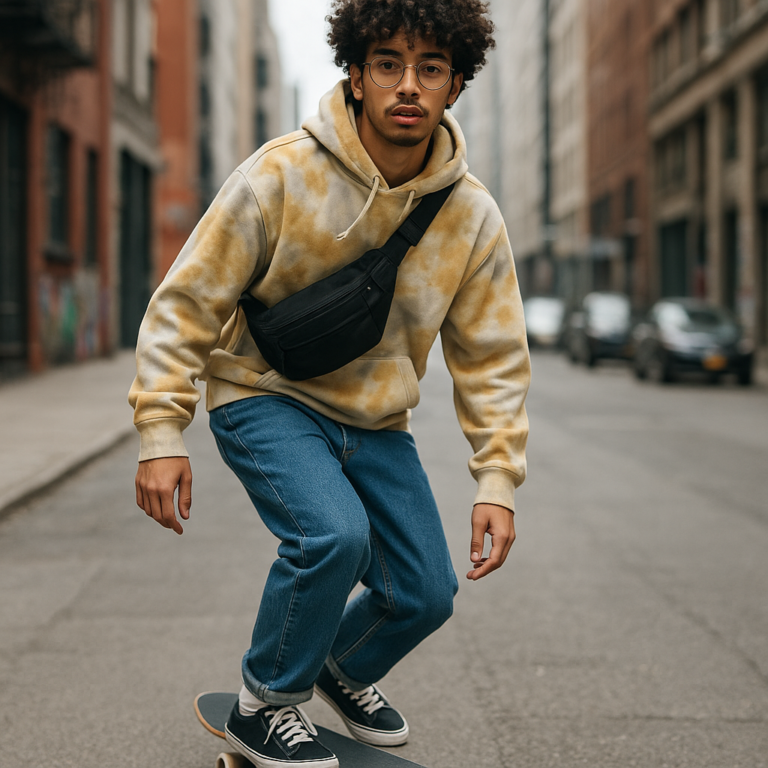
protection, but also a cornerstone of the relaxed, urban skate aesthetic. Layered over a tee or under a jacket, they provide versatility and that unmistakable laid-back vibe. Brands like **Supreme
** built their empire on the back of iconic box logo hoodies.
The beauty of graphic tees and hoodies is their accessibility and versatility. They can be dressed up or down, making them a bridge between skate parks and everyday street style. They’
re also a fantastic way to support your favorite Skateboard Brands for Enthusiasts.
🧢 Hats, Beanies, and Accessories: The Finishing Touches
No skate outfit is complete without the right accessories. These small but mighty additions tie the whole look together, adding personality and often, practical benefits.
Hats: Baseball caps and snapbacks are perennial favorites, offering sun protection and a touch of classic cool. They’re also another prime spot for brand logos and graphics.
- Beanies: Perfect for colder weather or just
to add a relaxed vibe, beanies are a skate staple. They’re easy to throw on and instantly convey that effortless skater aesthetic. - Socks: High socks, often branded, have been a part of skate fashion since the early
days, offering ankle protection and a subtle style statement. - Backpacks: Essential for carrying skate tools, extra clothes, water, or even a spare board. Brands like Herschel Supply Co. or Dakine offer durable
and stylish options. - Wallets & Chains: Often a nod to punk and grunge influences, chain wallets add an edgy touch and keep your essentials secure during a session.
These accessories aren’t just about looking good; they
‘re about being prepared for whatever the day throws at you, whether it’s a spontaneous session or just cruising through the city. They embody the blend of function and fashion that defines skate style.
Beyond the Board: How Skate Fashion Leapt into Mainstream Culture
So, we’ve established that skate fashion is born from necessity, steeped in rebellion, and rich with individual expression. But how did this niche
, counter-cultural style jump the fence from gritty skate parks to glossy magazine covers and high-street stores? It’s a fascinating journey, one that speaks volumes about the enduring appeal of authenticity and the power of subculture.
High Fashion’s Embrace: When Runways Met Ramps
For years, skateboarding was seen as an underground activity, far removed from the polished world of haute couture. But something
shifted. Designers, always on the hunt for fresh inspiration and genuine cultural movements, began to take notice of skate culture’s raw energy and undeniable cool.
The turning point? Perhaps the most talked-about collaboration in recent memory: Supreme x Louis
Vuitton in 2017. This wasn’t just a collaboration; it was a cultural earthquake. It merged the ultimate luxury brand with the quintessential skate-streetwear powerhouse, blurring lines that many thought were impenetrable
. Suddenly, skate aesthetics were not just tolerated but celebrated on the highest fashion runways.
Designers like Virgil Abloh, with his work at Off-White and Louis Vuitton, consistently incorporated skateboarding elements into his collections, from sneaker
designs to relaxed silhouettes [cite: video]. This wasn’t just about slapping a logo on a product; it was about integrating the spirit of skate culture – its freedom, its irreverence, its youthfulness – into luxury fashion
. We’ve seen skate shoes, once purely functional, reinterpreted with premium materials and elevated designs, becoming coveted items for sneakerheads and fashionistas alike.
This embrace by high fashion has had a dual effect: it’s brought
skate style to a global, affluent audience, legitimizing its aesthetic power. But it’s also sparked debates within the skate community about authenticity and commercialization. Is it still “skate” if it costs a fortune and is worn by someone
who’s never touched a board? That’s a question we’ll explore later, but for now, it’s clear that high fashion has undeniably rolled out the red carpet for skate style.
Streetwear’s Debt to Skate Culture: A Symbiotic Relationship
While high fashion’s embrace is relatively recent, streetwear’s connection to skateboarding is foundational. In fact, many argue
that skateboarding is the birthplace of modern streetwear. The two are inextricably linked, a relationship built on shared values of individuality, comfort, and a rebellious spirit.
Streetwear, by
definition, is “fashionable, casual clothes” with roots in cultural movements like hip-hop, punk, and, crucially, skateboarding [cite: video]. The early streetwear brands weren’t born in design studios; they emerged from skate shops and
independent ventures, created by individuals who lived the culture. They understood the need for durable, comfortable, and expressive clothing that could withstand the rigors of street life and skating.
- Bold Graphics & Logos: Skate brands pioneered the use of bold
graphics and prominent logos on apparel. These weren’t just decorative; they were badges of identity, signaling allegiance to a particular brand, crew, or ethos. Streetwear adopted this wholeheartedly, turning logos into powerful statements.
Relaxed Silhouettes:** The baggy jeans and oversized tees that defined skate fashion became the blueprint for streetwear’s comfort-first approach. This challenged the tight-fitting norms of traditional fashion, making casual, functional clothing socially and commercially desirable.
- DIY Ethos: Skate culture’s DIY roots, from customizing boards to screen-printing tees, fostered an independent spirit that fueled early streetwear brands. This emphasis on authenticity and grassroots creation is still a hallmark
of many successful streetwear labels.
Brands like Stüssy, originally a surf and skate brand, are often credited as pioneers of the premium streetwear movement, demonstrating how deeply intertwined these worlds are. As the Sk8Clothing summary notes, “Streetwear brands heavily influenced by skateboarding became increasingly prominent in fashion.” It’s a debt that streetwear proudly acknowledges, constantly drawing from the wellspring of skate culture
for inspiration.
The Rise of Skater-Owned Brands: Authenticity and Innovation
One of the most compelling aspects of skate fashion’s journey into the mainstream is the success
of skater-owned brands. These aren’t just companies; they’re extensions of the culture, founded by individuals who live and breathe skateboarding. This inherent authenticity is their superpower.
Why does this matter? Because skaters know
what other skaters need. They understand the nuances of fit, durability, and style that only come from personal experience. When a brand is founded by a pro skater, or a collective of skaters, there’s an immediate level of trust and credibility
.
- Authentic Design: Skater-owned brands create products that are genuinely designed for skating, with features that enhance performance and durability. This functional integrity resonates with consumers, whether they skate or not.
- Cultural
Relevance: These brands are deeply embedded in the skate community. They sponsor riders, produce skate videos, and support local scenes, ensuring their designs remain culturally relevant and connected to the roots of the sport. - Innovation: Many innovations
in skate apparel and footwear have come directly from skater-owned brands pushing boundaries to meet their own needs. From new shoe technologies to durable fabric blends, necessity truly is the mother of invention in this space.
Brands like Supreme (founded by James Jebbia, who worked at Stüssy and was inspired by skate culture), Palace Skateboards (born from a London skate crew), and the various brands under Sole Technology (founded by former pro skater Pierre-André Senizergues) exemplify this. They started with a genuine passion for skateboarding and built global empires by staying true to their roots while innovating and adapting. Their success proves that authenticity isn’t just a buzzword; it’s a powerful business
model.
Key Brands That Defined and Continue to Shape Skater Fashion
Alright, let’s talk about the heavy hitters, the brands that have not only dressed
generations of skaters but have also left an indelible mark on the broader fashion landscape. These aren’t just companies; they’re institutions, each with its own unique story and contribution to the ever-evolving world of skate style.
1. Vans: The Original Skate Shoe Icon
You can’t talk about skate fashion without talking about Vans. Seriously, it’s like trying to talk about surfing without mentioning waves. Founded in Anaheim, California
, in 1966 by brothers Paul and James Van Doren, Vans started by making shoes on-site and selling them directly to customers. Their initial offering, the **Style #44
** (now known as the Authentic), was a simple canvas deck shoe with a rugged rubber sole.
Why Vans became legendary:
- The Waffle Sole: Skaters quickly discovered that
Vans’ sticky waffle tread offered unmatched grip on their boards. This wasn’t just a shoe; it was a performance enhancer. - Customization: In the early days,
Vans offered custom-made shoes, allowing skaters to choose colors and patterns. This fostered a sense of individuality and connection to the brand. - Skater Collaboration: In 1976, Vans released
the Era (Style #95), designed with input from legendary Z-Boys Tony Alva and Stacy Peralta. It featured a padded collar and different color combinations, making it the first shoe truly designed by skateboarders *
for* skateboarding. - Iconic Silhouettes: The Old Skool (Style #36) with its distinctive ”
jazz stripe” (now the Sidestripe), the laceless Slip-On (Style #98), and the ankle-protecting Sk8-Hi (Style #38) all followed, cementing Vans’ status
as the go-to brand for serious skateboarding. - Cultural Impact: The checkerboard Slip-On exploded in popularity after being featured in the film Fast Times at Ridgemont High
in 1982, pushing Vans into mainstream consciousness.
Vans has been around for over 50 years, staying relevant across generations by consistently delivering quality, style, and an
authentic connection to skate culture. They are a testament to how functional design can become a timeless fashion statement.
👉 Shop Vans on:
- Vans Shoes: Amazon | Walmart | Vans Official Website
2. Thrasher: More Than Just a Magazine
If Vans is the footwear icon, Thrasher Magazine is the uncompromising voice of skateboarding. Founded in **
1981** by Kevin Thatcher, Fausto Vitello, and Eric Swenson, Thrasher quickly became the bible for skaters worldwide. It’s known for its raw, unfiltered content, showcasing the grittier side of
skate life.
Thrasher’s fashion influence:
-
The Flame Logo: The iconic Thrasher flame logo is instantly recognizable and has become a symbol of authentic skate culture. Wearing it is a statement of allegiance
to the core values of skateboarding. -
Anti-Establishment Ethos: Thrasher embodies the rebellious, anti-commercial spirit of skateboarding. Its apparel, particularly its graphic tees and hoodies, carries this same defiant attitude.
-
Credibility: In a world where many brands try to co-opt skate style, Thrasher’s deep roots and unwavering commitment to skateboarding give its apparel unparalleled credibility. It’s a brand for skaters,
by skaters.
While Thrasher didn’t set out to be a fashion brand, its powerful imagery and authentic voice made its merchandise incredibly desirable. It’s a prime example of how a cultural artifact can organically become a fashion
powerhouse.
👉 Shop Thrasher on:
- Thrasher Apparel: Amazon | Thrasher Magazine Shop
3. Supreme: From NYC Skate Shop to Global Phenomenon
Ah, Supreme. The brand that
arguably perfected the art of “hype.” Founded in 1994 by James Jebbia in Manhattan, New York City, Supreme started as a skate shop on Lafayette Street. It was designed with a wide-open layout to accommodate skaters rolling right into the store.
Supreme’s meteoric rise:
- Limited Drops & Scarcity: Supreme
mastered the strategy of limited releases (“drops”) and artificial scarcity, creating immense demand and a fervent collector culture. This made every item feel special and exclusive. - The
Box Logo: The simple yet iconic red box logo with white Futura Heavy Oblique font became an instant symbol of street cred and cool. - Authentic Roots: Despite
its global luxury status, Supreme has always maintained its connection to skateboarding and hip-hop culture. Jebbia enlisted local skateboarders to work in the store, ensuring an authentic vibe. - Strategic Collaborations: Supreme is a master of collaboration, partnering with everyone from artists like Takashi Murakami to major brands like Nike, The North Face, and, most famously, Louis Vuitton. These partnerships blurred the lines between street and luxury, solidifying Supreme’s position at the intersection of fashion and culture.
Supreme’s journey from a small skate shop to a global streetwear behemoth is a fascinating
case study in brand building and cultural influence. It proved that a skate brand could command luxury prices and dictate global trends without losing its edge.
👉 Shop Supreme on:
- Supreme Apparel: StockX | GOAT | Supreme Official Website
4. Palace Skateboards: UK’s Answer to Streetwear Cool
Across the pond, Palace Skateboards emerged from the vibrant London skate scene in the late 2000s, founded by Lev
Tanju and his crew. It quickly became the UK’s answer to the burgeoning streetwear movement, blending skate culture with a distinct British twist.
What makes Palace stand out:
Distinct British Identity: Palace differentiated itself by incorporating elements of British culture, such as vintage football jerseys and a playful sense of humor, into its designs.
- The Tri-Ferg
Logo: The instantly recognizable Tri-Ferg logo (a Penrose triangle) became a symbol of street cred and style, coveted by collectors and fans. - Irreverent Attitude:
Palace’s marketing, often featuring grainy video aesthetics and witty, self-aware humor, resonated with a generation that appreciated authenticity and a less polished approach. - Global Influence: Palace has successfully blended skate
culture with high fashion, paving the way for other skate brands to gain recognition in the fashion world. Its collaborations with brands like Adidas and Ralph Lauren have further expanded its reach.
Palace
‘s success demonstrates that skate culture’s influence isn’t confined to California. It’s a global phenomenon, constantly reinterpreted and revitalized by local scenes with their own unique flavors.
👉 Shop Palace Skateboards on:
- Palace Skateboards Apparel: StockX | GOAT | Palace Skateboards Official Website
5. DC Shoes: Performance Meets Style
DC Shoes, founded in 1994
by Ken Block and Damon Way, quickly became a household name in skateboarding footwear. They were pioneers in developing technical skateboarding shoes, focusing on advanced features for performance and durability.
DC’s impact on
skate fashion:
- Technical Innovation: DC was known for pushing the boundaries of skate shoe design, incorporating features like air bags, heavily padded tongues, and robust cupsole constructions for maximum impact protection and support.
- Iconic Models
: Models like the DC Lynx, the Josh Kalis pro model series, and the Manteca left a significant mark on skate and pop culture. These shoes were chunky, bold, and instantly
recognizable. - Streetwear Staple: DC’s focus on performance combined with urban-oriented styling made their shoes and apparel popular with both skaters and the broader streetwear community.
Diversification: Beyond skateboarding, DC also made a notable entry into snowboarding, particularly with their snowboard boots, showcasing their commitment to action sports.
DC Shoes represents a period where skate footwear became increasingly technical and
visually distinct, influencing a generation with its bold designs and focus on high-performance features.
👉 Shop DC Shoes on:
- DC Shoes: Amazon | Walmart | DC Shoes Official Website
6. Emerica, Etnies, and ES: The Sole Tech Legacy
Behind some of the most iconic skate shoe brands is Sole Technology, a company founded in 1996 by former
professional freestyle skateboarder Pierre-André Senizergues. Sole Technology became the parent company for a trio of influential skate footwear brands: Etnies, éS, and **Emerica
**.
- Etnies: Established in 1986 (originally in France, brought to the US by Senizergues), Etnies is known for producing footwear and apparel for a range of action sports
, with a strong focus on skateboarding. They’ve consistently delivered durable, performance-oriented shoes and have been pioneers in sustainability efforts within the industry. - éS Skateboarding:
Founded in 1995, éS quickly gained a reputation for its technical innovation and stylish designs. They were known for pushing boundaries with features like internal lacing systems and advanced cushioning. The éS Koston 1,
released in 1997, was a landmark pro model featuring an “Airbag” in the heel and an exposed polyurethane midsole. - Emerica: Launched in **1996
**, Emerica carved out its niche with a focus on raw, stripped-down skate shoes that prioritized board feel and durability. They’re also celebrated for their influential skateboarding videos, which showcased their team’s talent and the brand’s aesthetic
.
The Sole Technology brands collectively represent a significant era in skate footwear, where rider-owned companies were driving innovation and shaping the culture. As one industry veteran noted, “The Sole Tech brands set the bar
for a lot of skate footwear – the product, the (pro) teams, marketing, the videos they put out”. Their legacy continues to influence skate shoe design and the broader Skateboard Gear market.
👉 Shop Sole Tech Brands on:
- Etnies: Amazon | Etnies Official Website
- éS Skateboarding: Amazon | éS Skateboarding Official Website
- Emerica:
Amazon | Emerica Official Website
7. Independent Truck Co. & Santa Cruz Skateboards: Hardware as High Fashion
While shoes and apparel often grab the spotlight, the hardware of skateboarding also plays a crucial role in
its aesthetic. Brands like Independent Truck Co. and Santa Cruz Skateboards aren’t just making parts; they’re crafting iconic symbols that transcend their functional purpose.
- Independent Truck Co.: Founded in 19
78, Independent quickly became synonymous with high-quality, durable skateboard trucks. Their iconic “Iron Cross” logo is one of the most recognizable symbols in skateboarding. It’s a badge of authenticity, representing strength, reliability, and
a deep connection to skate heritage. You’ll see this logo on everything from trucks to t-shirts, hoodies, and hats, making it a fashion statement in its own right. - Santa Cruz Skateboards: Established in 19
73 by Richard Novak, Doug Haut, and Jay Shuirman, Santa Cruz is one of the oldest and most respected skateboard companies. They are renowned for their vibrant, often psychedelic, deck graphics created by legendary artist Jim
Phillips, such as the “Screaming Hand.” These graphics are not just designs; they are art, collected and celebrated by skaters and art enthusiasts alike. Wearing a Santa Cruz graphic tee is like wearing a piece of skate art.
These brands demonstrate
that even the core components of a skateboard can become powerful fashion statements, carrying the weight of history, performance, and artistic expression. They are essential to understanding the full scope of Skateboard Brand Guides.
👉 Shop Independent Truck Co. on:
- Independent Trucks: Amazon | Independent Truck Co. Official Website
- Santa Cruz Skateboards: Amazon | Santa Cruz Skateboards Official Website
8. Stüssy: The OG Surf
& Skate Crossover
Before “streetwear” was even a widely used term, there was Stüssy. Founded in the early 1980s by Shawn Stussy in Laguna Beach, California, the brand began
with Shawn scrawling his distinctive signature onto his handmade surfboards. This simple act was the spark that ignited a cultural movement.
Stüssy
‘s pioneering role:
- Surf & Skate Roots: Stüssy benefited from the burgeoning surfwear trend and was quickly adopted by the skateboard and hip-hop scenes. Shawn Stussy started
putting his signature on t-shirts, shorts, and caps, selling them out of his car around Laguna Beach. - The Signature Logo: Shawn’s unique calligraphy became the brand’
s trademark, instantly recognizable and synonymous with a laid-back, free-spirited identity. - Pioneer of Premium Streetwear: Stüssy expanded its product line to clothing and became one
of the pioneers of the premium streetwear movement. Its simple caps, logo t-shirts, and jeans perfectly aligned with skate culture, creating a “peculiar lifestyle” that resonated with youth. - Cultural Bridge: Stüssy acted as a crucial bridge, blending surf, skate, punk, and hip-hop influences into a look that was both authentic and forward-thinking. They
collaborated with influential figures like James Jebbia (founder of Supreme) and artists like Futura.
Stüssy’s story is one of organic evolution, proving that genuine cultural roots and an authentic aesthetic can create
a lasting legacy. It’s a blueprint for how a brand can grow from a local subculture to a global phenomenon without losing its soul.
👉 Shop Stüssy on:
- Stüss
y Apparel: StockX | GOAT | Stüssy Official Website
The Genderless Appeal of Skater Style: Breaking Fashion Norms
One of the coolest things about skate fashion, in our humble opinion at
Skateboard Brands™, is its inherent genderless appeal. Seriously, walk into any skate park, and you’ll see everyone, regardless of gender, rocking similar styles. It’s a refreshing departure from the often rigid and binary world
of mainstream fashion.
Why is skate style so fluid? It comes down to its core principles:
- Function Over Form (Initially): As we’ve discussed, skate clothing was first and foremost about functionality. Baggy pants
, durable shoes, and comfortable tees aren’t designed for a specific gender; they’re designed for movement, protection, and practicality. When the primary goal is to land a trick or survive a fall, gendered fashion rules simply don’t apply
. - Rebellion Against Norms: Skateboarding has always been a counter-culture. It thrives on challenging expectations, and that extends to fashion. The idea of conforming to traditional gender roles in clothing just doesn’t fit
the skate ethos. Skaters wear what feels good, what allows them to express themselves, and what helps them skate better. - Individual Expression: Skate culture champions individuality. There’s no single “skater look,” but
rather a spectrum of styles that reflect personal taste. This freedom naturally leads to a breakdown of gendered clothing categories. If you like it, wear it! - Shared Identity: The skate community is built on shared passion and mutual
respect, not on gender divisions. When everyone is united by the love of skateboarding, the clothing becomes a uniform of that shared identity, transcending traditional gender markers.
We’ve seen how women and LGBTQ+ skaters, in particular, have further
diversified and expanded skate fashion. As professional skater and Dior model Briana King noted in an interview, many women and LGBTQ+ skaters “already found our sense of fashion outside of skateboarding” before entering the scene, leading to a broader range of styles within
skate attire. This continuous evolution ensures that skate fashion remains inclusive and reflective of its diverse community.
So, whether you’re into oversized hoodies, ripped jeans, or classic skate shoes, the beauty of skate style is
that it’s for everyone. It’s about embracing comfort, confidence, and a little bit of rebellious spirit, no matter who you are.
Subcultures Within Skater
Fashion: From OG to Modern Aesthetics
Just like skateboarding itself isn’t a monolith, neither is skate fashion. Over the decades, various subcultures have emerged within the broader skate scene, each with its own distinct aesthetic, influencing and being
influenced by wider trends. It’s a vibrant tapestry of styles, from the raw origins to the polished modern interpretations.
- The OG Surf-Skate Vibe (1960s-70s):
This was the initial look, heavily influenced by surf culture. Think shorter shorts, tube socks, simple t-shirts, and canvas shoes like early Vans or Converse [cite: video, 9]. It was about ease and a sun-drenched,
carefree attitude. The Z-Boys brought in a harder edge with ripped jeans and band tees, but the core comfort remained [cite: video]. - Punk & Hardcore Influence (1980s): As skateboarding intersected
with punk rock, the fashion took on a grittier, more DIY aesthetic. Band t-shirts, studded belts, ripped denim, and combat boots or high-top skate shoes became common. This was about defiance and a raw, aggressive
energy. - Hip-Hop & Baggy Era (1990s): The ’90s saw a massive influx of hip-hop influence. Skate fashion embraced oversized everything: super baggy jeans, huge graphic tees, chunky
hoodies, and puffier skate shoes (like early DC or Etnies models). This era prioritized comfort and a relaxed, almost slovenly cool, which became the blueprint for much of modern streetwear.
Tech & Performance (Late 1990s-Early 2000s):** With the rise of technical street skating, some fashion leaned into performance. Shoes became more padded and technologically advanced, and apparel sometimes incorporated more athletic
fabrics. This was about optimizing for tricks, sometimes at the expense of the raw aesthetic.
- Modern Streetwear Crossover (2010s-Present): Today, skate fashion is incredibly diverse, often blending elements
from its history with contemporary streetwear trends. You’ll see a mix of vintage-inspired pieces, minimalist aesthetics, and high-fashion collaborations. Brands like Supreme and Palace exemplify this crossover, taking skate roots and elevating them into global fashion statements
. There’s a strong emphasis on curated looks, often incorporating elements like vintage sportswear or workwear.
What’s fascinating is how these subcultures aren’t mutually exclusive. Many skaters mix and match, creating their own unique blend
. One day it might be a retro Powell-Peralta tee with modern Nike SB shoes, the next a minimalist Palace hoodie with classic Dickies pants. The beauty is in the freedom to choose and
express. As we often say at Skateboard Brands™, “Your style is your line, and there are no rules on the street.”
The Authenticity Debate: Posing vs. Living
the Skate Life
Alright, let’s tackle the elephant in the skate park: authenticity. As skate fashion has exploded into the mainstream and high fashion, a perennial debate has raged within the community: who gets to wear skate clothes
? Is it only for those who actually skate, or can anyone rock the look? This is a conversation we’ve had countless times on the team, and there are definitely strong feelings on all sides.
On one hand, there’s the argument
for “living the skate life.” For many core skaters, the style is earned. It’s a reflection of dedication, countless hours spent perfecting tricks, enduring falls, and being part of the community. When someone who has never stepped
on a board wears a Thrasher flame logo tee, some feel it’s a form of appropriation, a superficial adoption of a culture without understanding its struggles or triumphs. It’s like wearing a band tee for a band you’
ve never listened to – it just feels… off.
- ✅ The “Authentic” Perspective: “Skate fashion is born from the streets, the scrapes, the sweat. It’s a uniform for those who put
in the work. When you see someone in a full skate fit, you expect them to know how to push. If they don’t, it feels like they’re just playing dress-up.” - ❌ The “Pose
ur” Critique: “It’s frustrating when people wear skate brands just because they’re trendy, without any respect for the culture. They’re benefiting from the aesthetic we built, but they’re not contributing to the scene.”
However
, there’s another perspective, one that acknowledges the natural evolution of fashion and culture. Once a style leaves its subcultural origins, it inevitably becomes part of the broader fashion lexicon. Can we really gatekeep a look?
- ✅ The
“Inclusive” Perspective: “Fashion evolves. Skate style is cool, and it’s natural that people outside of skateboarding would be drawn to it. It’s a compliment, in a way. Plus, the more people exposed to the
aesthetic, the more potential new skaters there are!” - ✅ The “Economic Reality” Perspective: “Let’s be real, mainstream appeal helps skate brands thrive. Those collaborations with luxury brands? They bring in money that can be
reinvested into skate videos, sponsoring riders, and supporting the community. It’s a necessary evil, perhaps, but it keeps the wheels turning.”
At Skateboard Brands™, we lean towards a balanced view. While we deeply respect and
understand the sentiment of authenticity, we also recognize that fashion is a powerful vehicle for cultural exchange. The key, perhaps, is respect and genuine appreciation. If someone is drawn to skate style because they admire the creativity, the freedom, and the rebellious
spirit of skateboarding, even if they don’t skate themselves, that’s a positive connection. The problem arises when it’s purely performative or disrespectful.
Ultimately, the debate continues, a testament to the strong identity and passionate
community that defines skateboarding. It’s a reminder that while the clothes might be on the runway, the heart of skate fashion will always be on the streets and in the parks.
Skate Fashion’s Influence on Music, Art, and Pop Culture
Skateboarding isn’t just a sport; it’s a cultural force that has permeated nearly every facet of youth culture, from the
clothes we wear to the music we listen to, the art we admire, and the movies we watch. For us at Skateboard Brands™, this interconnectedness is what makes skateboarding so endlessly fascinating and influential.
-
Music’s Soundtrack
: From its early days, skateboarding has had a symbiotic relationship with music. -
Punk Rock & Hardcore: The raw energy and rebellious spirit of early skate culture found its perfect soundtrack in punk and hardcore bands like Black
Flag, Dead Kennedys, and later, Suicidal Tendencies and JFA. This music fueled skate videos and provided the soundtrack for countless sessions, influencing the edgy, DIY aesthetic of
skate fashion. -
Hip-Hop: In the late ’80s and ’90s, hip-hop culture became increasingly intertwined with skateboarding, especially on the East Coast. Artists like the Beastie Boys
and A Tribe Called Quest embraced skate style, and their music became a staple in skate videos. This crossover heavily influenced the baggy silhouettes and graphic-heavy apparel that defined the era. -
Indie & Alternative: Today
, skate videos feature a diverse range of music, from indie rock to electronic, reflecting the eclectic tastes of modern skaters. This constant musical evolution keeps the culture fresh and introduces new sounds to a wide audience. -
Art on Wheels
: Skateboarding has always been a canvas for artistic expression. -
Deck Graphics: The most obvious example is skateboard deck graphics. Brands like Santa Cruz, Powell-Peralta, and Alien Workshop have collaborated
with legendary artists to create iconic, often psychedelic or rebellious, designs that are collected as art pieces. These graphics often reflect the counter-cultural themes and artistic movements of their time. -
Street Art & Graffiti: The urban
environment where much of skateboarding takes place is also the birthplace of street art and graffiti. Skaters often interact with these art forms, and there’s a natural overlap in their rebellious spirit and use of public spaces for expression. Many skate brands
draw inspiration directly from street art. -
Photography & Videography: Skate photography and videography are art forms in themselves, capturing the dynamic movement and unique aesthetic of skateboarding. These visuals not only document the sport but also shape its
image and influence fashion trends. -
Pop Culture’s Embrace: Skateboarding’s cool factor has made it a recurring motif in movies, TV shows, and advertising.
-
Film & TV: From classic
films like Thrashin’ and Gleaming the Cube to more recent documentaries like Dogtown and Z-Boys and Minding the Gap, skateboarding has been a compelling subject. Even mainstream films like Fast Times at
Ridgemont High helped propel skate fashion (specifically Vans) into the spotlight. -
Advertising: Brands outside of skateboarding frequently tap into the skate aesthetic to convey youthfulness, rebellion, and
authenticity in their campaigns. This mainstream exposure further solidifies skate fashion’s place in the broader cultural consciousness. -
Celebrity Influence: Celebrities and influencers, whether they skate or not, are often seen sporting skate brands
, further amplifying their reach and desirability. This exposure introduces skate fashion to an even wider audience, cementing its status as a global trendsetter.
In essence, skate fashion is more than just clothes; it’s a
visual manifestation of a vibrant, interconnected culture that continues to inspire and redefine what’s cool across the creative spectrum.
Sustainability and Ethics in Skate Apparel
: A New Frontier
As conscious consumerism gains momentum, the skate apparel industry, like all fashion sectors, is facing increasing scrutiny regarding its environmental and ethical practices. For us at Skateboard Brands™, this isn’t just a trend; it’
s a crucial evolution, and we’re seeing more and more brands step up to the plate.
Historically, skate apparel prioritized durability and affordability, often without much thought given to the environmental impact of materials or manufacturing processes. However, the skate community,
with its inherent connection to nature (think cruising along coastlines or through parks), is increasingly demanding more responsible practices.
Key areas of focus for sustainable and ethical skate apparel:
- Eco-Friendly Materials:
Organic Cotton: Many brands are shifting to organic cotton for their tees and hoodies, reducing pesticide use and water consumption.
- Recycled Polyester: For performance wear or durable outerwear, recycled polyester (made from plastic bottles)
is becoming a popular choice. - Hemp & Bamboo: These natural fibers offer durability and breathability with a lower environmental footprint.
- Recycled Rubber: For skate shoe soles, some brands are experimenting
with recycled rubber compounds. - Polyurethane Alternatives: While polyurethane wheels revolutionized skateboarding, their environmental impact is a concern. Research into more sustainable alternatives
or recycling programs for old wheels is ongoing. - Ethical Manufacturing:
- Fair Labor Practices: Ensuring fair wages, safe working conditions, and no child labor in factories is paramount. Brands are increasingly transparent about their supply chains
. - Local Production: Some smaller brands are focusing on local manufacturing to reduce carbon footprint and support local economies.
- Durability & Longevity:
- Built to Last: A core tenet of
skate apparel has always been durability. Investing in high-quality, long-lasting gear reduces the need for frequent replacements, which is inherently sustainable. - Repair & Repurpose: Encouraging consumers to repair worn-out items or
repurpose old decks and clothing extends product lifecycles. - Reduced Waste:
- Minimal Packaging: Brands are adopting eco-friendly packaging, reducing plastic, and using recycled materials.
Upcycling & Limited Runs:** Some brands are experimenting with upcycling old materials into new products or producing limited runs to minimize overproduction.
Pioneers like Pierre-André Senizergues, founder of Sole Technology (Etnies, éS, Emerica), have been champions of environmental commitment, with Sole Tech becoming carbon neutral by 2015 and planting millions of trees. This shows that even large skate companies can lead the way.
The future of skate apparel isn’t just about looking good; it’s about doing good. It’s about aligning the rebellious, independent spirit of skateboarding with a responsibility to the planet and its people. This new frontier is exciting,
challenging, and absolutely essential for the longevity of both the industry and the planet we skate on.
DIY and Customization: Personal Expression on and off the Board
If there’s one
thing that truly embodies the spirit of skateboarding, it’s the DIY (Do-It-Yourself) ethos and the passion for customization. From the very first crude wooden boards to today’s highly personalized setups, skaters have always taken
pride in making things their own. For us at Skateboard Brands™, this isn’t just a quirky habit; it’s a fundamental pillar of skate culture and a powerful form of personal expression that deeply influences skate fashion.
Think about it: a
skateboard is a blank canvas. You choose the deck, the trucks, the wheels, the bearings, the griptape – each component a reflection of your preferences and skating style. This extends directly to clothing.
- Deck Art
as Personal Statement: The graphics on a skateboard deck are often the first point of customization. Skaters might choose a deck for its art as much as its shape, or even paint their own. This idea of wearable art, where your gear
tells a story, directly translates to graphic tees and hoodies. - Ripping and Repairing: Skateboarding is tough on clothes. Ripped jeans, torn shirts, and scuffed shoes are not just signs of wear; they
‘re badges of honor. Instead of discarding them, skaters often repair, patch, or even intentionally distress their clothing, creating unique, one-of-a-kind pieces. This “unkemptness” even holds a “nice nod to the
grunge era”. - Anecdote: “I remember my first pair of Vans Old Skool that I skated into oblivion. The canvas was shredded, the sole was worn
flat. Instead of tossing them, I patched them with denim scraps and drew all over them with a Sharpie. They became my favorite shoes, telling a story of every bail and every landed trick. They weren’t just shoes; they were
a journal.” - Screen Printing & Patches: The DIY spirit extends to creating your own apparel. Many early skate brands started with hand-screened t-shirts. Skaters still embrace this, adding patches from their favorite bands, skate
shops, or political causes to jackets, backpacks, and jeans. It’s about curating your identity, piece by piece. - Cutting & Modifying: Remember the Vans Half Cab? It was born when
pro skater Steve Caballero and other skaters started cutting down his signature high-top shoe to create a mid-top, seeking more flexibility. Vans noticed and officially released the Half Cab, which became one of the most iconic skate shoes
ever. This is a perfect example of how skater-led customization can drive innovation and create enduring fashion trends. - Griptape Art: Even griptape, the gritty surface on your board, becomes a medium for expression
. Skaters cut patterns, add stickers, or draw on it, further personalizing their setup.
This culture of DIY and customization is a powerful counterpoint to mass-produced fashion. It emphasizes creativity, resourcefulness, and the deep
personal connection skaters have with their gear. It’s about making a statement that is uniquely you, both on and off the board.
The Future of Skater Style:
What’s Next for Boards and Brands?
So, where do we go from here? Skateboarding has come a long way from backyard pools and empty ditches, and its influence on fashion shows no signs of slowing down. As your team
at Skateboard Brands™, we’re constantly looking ahead, observing the subtle shifts and bold new directions that will define the next era of skate style.
One thing is clear: the core tenets of comfort, durability, and individual expression will
remain paramount. These aren’t just trends; they’re foundational to the act of skateboarding itself. However, how these tenets are interpreted will continue to evolve.
- Tech Meets Tradition: We anticipate
a continued blending of high-performance technical fabrics and designs with classic skate aesthetics. Imagine durable, breathable materials that look like vintage cotton, or shoes that offer advanced cushioning without sacrificing board feel or a timeless silhouette. Brands will continue to innovate in areas
like impact protection, lightweight construction, and sustainable materials, all while maintaining that authentic skate look. - Increased Diversity and Inclusivity: The skate community is becoming increasingly diverse, with more women, LGBTQ+ individuals, and people
from various cultural backgrounds joining the ranks. This will undoubtedly lead to an even broader range of fashion expressions within skate style. We’ll see more niche aesthetics emerge, challenging traditional norms and pushing boundaries, making skate fashion even more vibrant and inclusive
. - Sustainability as a Standard: As we discussed, sustainability and ethical production are no longer optional. We expect to see more brands adopting eco-friendly materials, transparent supply chains, and circular economy principles. Consumers, especially younger
generations, are demanding it, and brands that don’t adapt will be left behind. This could lead to exciting innovations in recycled materials for decks, shoes, and apparel. - The Digital Influence Continues: Social media platforms like TikTok
and Instagram will continue to be powerful drivers of trends, showcasing new styles and fostering global communities. This means faster trend cycles but also greater accessibility and inspiration from diverse skate scenes worldwide. Expect more digital-native skate brands to emerge, leveraging online
communities and direct-to-consumer models. - Blurring Lines, Further Integration: The lines between skate fashion, streetwear, and high fashion will likely continue to blur. We’ll see more unexpected collaborations, more skate-inspired elements
on runways, and a continued appreciation for the authentic roots of skate style in mainstream culture. The challenge for brands will be to maintain their authenticity while navigating this broader appeal. - Nostalgia with a Twist: The cyclical nature of fashion means
that past eras of skate style will always be revisited. However, it won’t be a simple rehash. We’ll see nostalgic elements reinterpreted through a modern lens, perhaps with updated fits, new materials, or unexpected color palettes
. Think ’90s baggy, but with a refined edge.
The future of skater style is dynamic, exciting, and deeply rooted in the ever-evolving spirit of skateboarding itself. It’s a testament to the fact that true
style, born from passion and authenticity, will always find a way to roll forward, influencing the world one kickflip at a time.